
NEWS & UPDATES
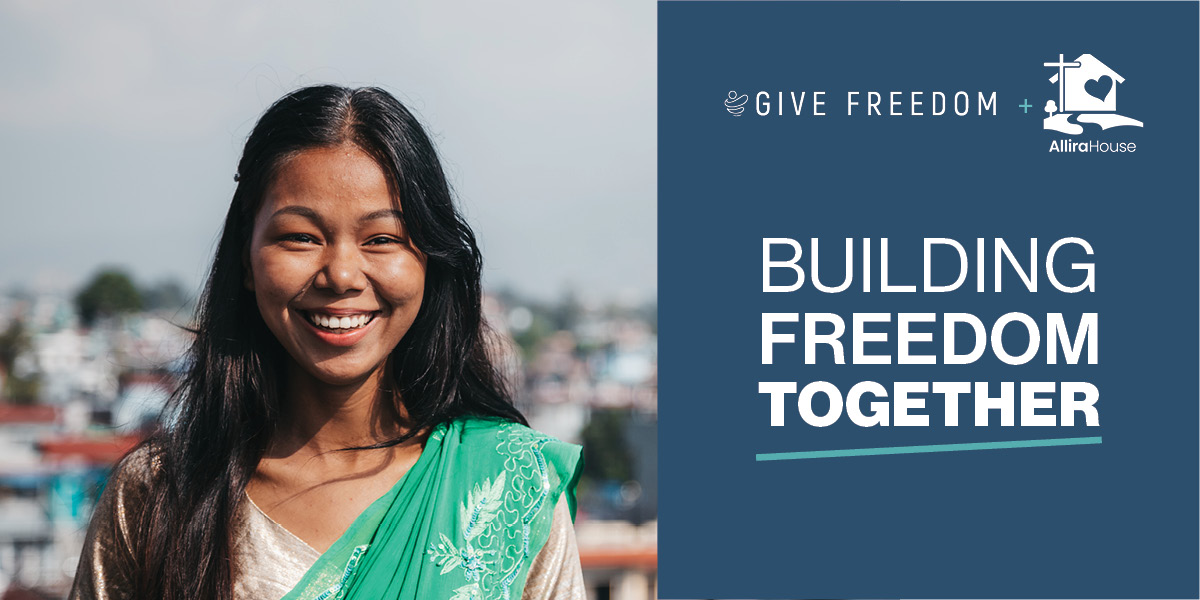
Allira House and Give Freedom
Building freedom together: a $10,000 act of solidarity
A world apart, two not-for-profit organisations are fighting for the same thing: the right for women and children to live in safety, free from violence.
Allira House is a Newcastle women’s refuge. They run on volunteer-staffed op shops and community donations. Every dollar they raise keeps their doors open for women and children escaping family violence.
This June Allira House has pledged to gift match up to $10,000 to The Pokhara Project to help build a place of safety and opportunity for survivors of human trafficking and at risk women and children in Nepal.
It’s unusual for a charity to give to another charity, but when you understand what drives Allira House, it’s easy to understand why, and hard not to be inspired.
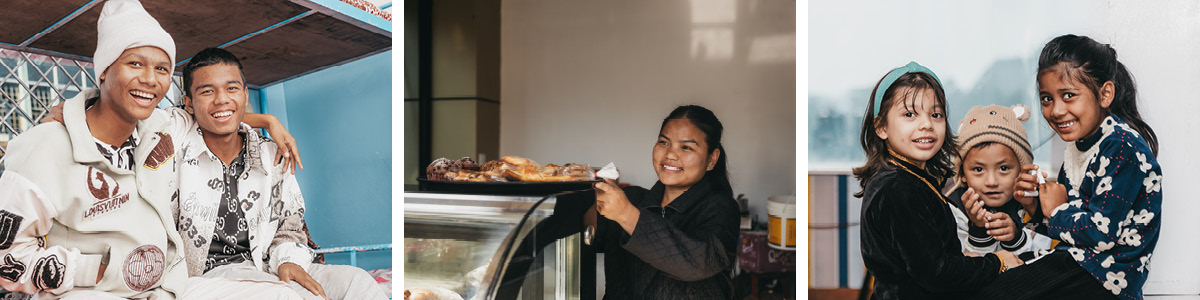
We took a moment to chat with Allira House Director, and Give Freedom Foundation member, Sallyann, to understand why they’ve decided to do something so generous.
“I’ve been part of the Give Freedom journey for twelve-odd years having known [Give Freedom International Founders] Steve and Robyn through our church. I’ve been able to see the parallels with what we do here at Allira House Refuge.
It’s women and children – providing for them physically with accommodation, but then providing for them with their circumstances, their personal struggles, their safety, their security, their wellbeing, all the things. We’re like windows reflecting each other, and if a charity is authentic, you want them to do well too. You’re better together than alone.”
Where the similarities in missions and values are the foundation for Allira House’s partnership, it’s the differences experienced by women and children in Australia and Nepal that is driving their decision to support The Pokhara Project.
“It’s about that latitude of where you’re born. People supported in Nepal through Give Freedom and 3 Angels Nepal are born into and then faced with circumstances that there is very, very little support for.
Not every child born in Australia is going to have the same chances and opportunities. But ultimately, the big broad brushstroke is: everyone in Australia has an opportunity for housing, medical, accommodation, education, health. They are imperfect, but there are systems in place.
If Allira House can’t take in a woman or a family, there are other pathways for support. In Nepal, people basically die if they can’t get what they need. The imbalance of struggle is incomparable.”
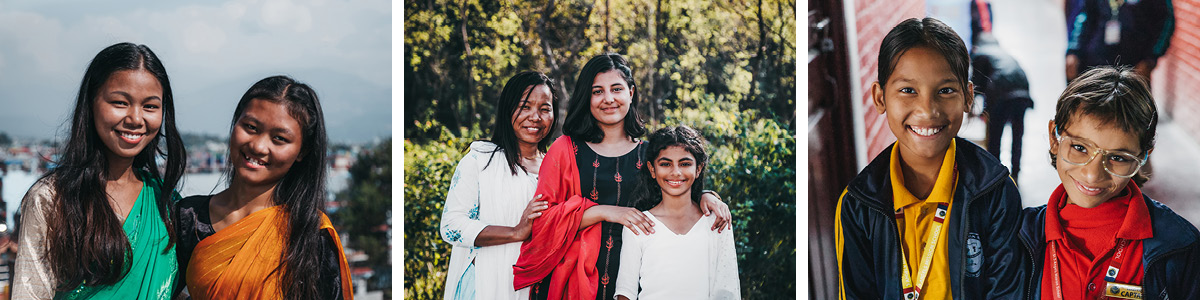
For Sallyann it’s not just about supporting a vision she believes in. It’s about creating the type of very real, life-changing impact she sees daily, that can only come from providing safety.
“It’s one thing to give a woman or a child the big things like accommodation, food, or opportunity for education. But it’s the small, personal moments of joy and healing that are the most powerful. For example, we had a four-year-old girl in refuge who was non-verbal.
Watching over some months as safety came back into her life, she slowly became verbal. She had this big vocabulary that no one knew she had, because she’d been too frightened to have a voice. She became the biggest chatterbox we’d ever seen.”
It’s this type of change that Allira House is committed to helping The Pokhara Project create. Places where vulnerable women and children with nowhere else to go can live in peace and safety, where a deep sense of belonging and acceptance creates the type of healing that changes the trajectory of a life.
“I came in to [Allira House] one morning and there were three little girls sitting at a table eating breakfast in their dressing gowns. Three little women. You look at it and you think: they’re having that moment in time. They don’t know each other. Their lives will blow them in different directions. But at that moment, those three little girls, all under five, were sitting there, safe and chatting. That’s a joy.”
Supporting another charity might seem unusual, and it is. But for Sallyann and the Allira House team, it’s simply the natural extension of what they already believe in.
“To whom much is given, there’s a responsibility to give to those who don’t have. If you’ve got enough to share, don’t hoard it. Share it, and then keep working hard to create more.
It’s not about the money in the end. It’s about the people who are going to benefit from the hard work of both charities.
How do you measure life? The Pokhara Project is an immeasurable opportunity. You can’t put a number on the difference it makes.”