
Understanding Human Trafficking
In a small village nestled in the hills of western Nepal, a teenage girl disappears. Her parents were told she’d be working at a restaurant in the city, a chance to earn, to help the family. Weeks pass. No calls. No pay. No word. Her story is not unique. It echoes across borders, towns, and villages, part of a much larger, darker reality.
This is just one version of human trafficking. This pervasive, global issue is growing, and is why Give Freedom International exists – to create a future of safety, freedom and opportunity for survivors, and help break the cycle of trafficking for generations to come.
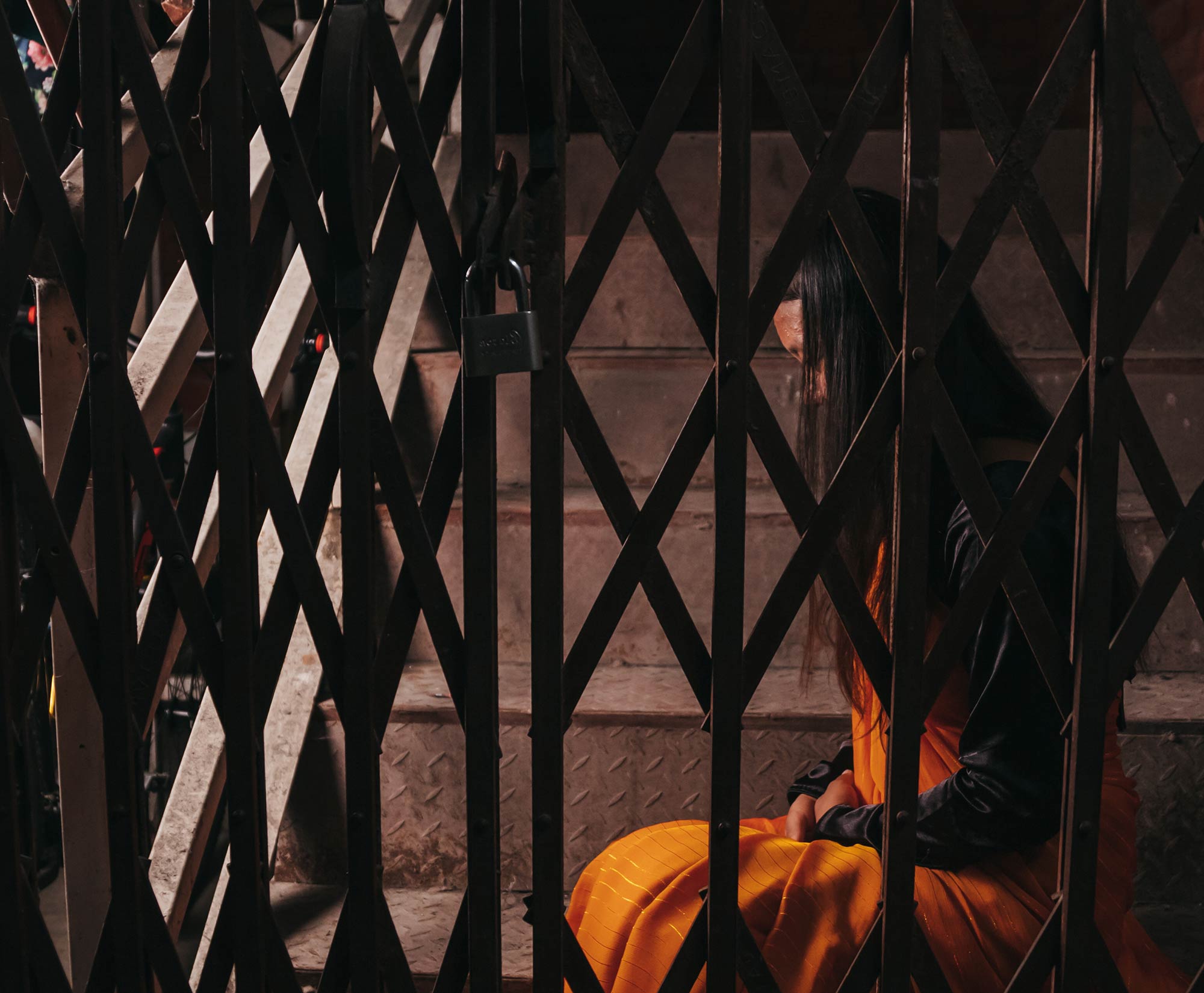
A Global Crisis
In 2025, an estimated 50 million people are living in modern slavery globally, more than at any other time in history. And the numbers are growing. What’s fuelling the rise?
- Conflict and political instability
- Widespread poverty and inequality
- Economic desperation from global crises
- The increasing misuse of technology to exploit
What Exactly Is Human Trafficking?
To be defined as trafficking, three elements must be present:
- The Act – recruiting, transporting, or harbouring people
- The Means – coercion, deception, or abuse of power
- The Purpose – exploiting people for profit
Forms of trafficking include, but are not limited to:

Forced labour
(e.g. domestic work, construction, scam centres)

Sexual exploitation

Forced criminal activity
(e.g., begging, theft, drug running)

Organ removal

Forced marriage
The Reality in Nepal
Nepal is both a source and a transit country for human trafficking. Every year, thousands of people—mostly women and children—are trafficked across the open border into India or further abroad to the Middle East and Southeast Asia. Trafficking also happens within Nepal itself, as vulnerable families in rural villages are lured into cities like Pokhara with promises of work, education, or safety.
Traffickers operate by Grooming through false promises of education, love, marriage, employment, Abuse of trust (often by someone known to the victim), Debt bondage and manipulation–victims are told they must “repay” their freedom and more recently exploitation of digital platforms, which is increasingly used to recruit and control victims.
What Makes Someone Vulnerable?
While each story is unique, traffickers exploit predictable vulnerabilities. Risk factors repeatedly identified in Nepal include:
Poverty: Over 20% of Nepali people live below the poverty line. With limited access to banking, families often fall into debt bondage through high-interest loans.
Discrimination: Caste-based exclusion and harmful practices like child marriage or debt slavery (Haruwa-Charuwa) persist, despite being illegal.
Documentation gaps: Many births go unregistered, making it easier for traffickers to falsify identities and move children across borders.
Climate pressure: More frequent natural disasters in the Himalayas displace families and reduce agricultural livelihoods.
Education gaps: Rural children face poor facilities, long commutes, and high dropout rates, leaving them more exposed to traffickers’ false promises.
Family and community breakdown: Limited support networks leave children more isolated and unprotected.
Household pressures: Addiction, illness, or debt within the home increase stress and drive vulnerability.
Weak protections: Survivors often face stigma, and Nepal’s legal systems provide limited safety or accountability.
The more of these factors a person faces, the greater their risk of being trafficked.
Nepal was downgraded to the Tier 2 Watch List in 2024, reflecting slow progress. While convictions and some protections have increased, serious gaps remain: weak victim identification, poor oversight of migrant recruitment, and inadequate monitoring of children’s homes.
Why 3 Angels Nepal Matters
In the absence of strong systems, NGOs like 3 Angels Nepal fill the gap. As well as providing safety, rehabilitation and opportunity for survivors, they:
- Provide safe, accredited housing for children at risk
- Train police and law enforcement to identify and respond to trafficking
- Educate communities about the dangers of false recruitment and migration
- Offer education to children of all castes, breaking cycles of exclusion
For many of Nepal’s most vulnerable, 3AN is often the only safeguard standing between them and exploitation.
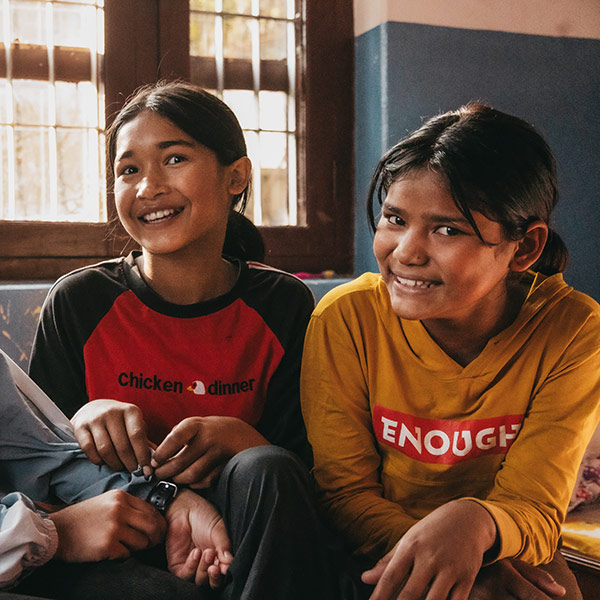
Intervention & Prevention
Real change requires holistic, systemic strategies. Ending trafficking takes more than rescue; it takes long-term, layered change. From crisis care and safe housing to education, job pathways and community awareness. Legal reform and stronger protections matter too. Only through holistic, sustained action can we replace exploitation with freedom, safety and opportunity.